AI story writer for drafts that still feel authored.
Give Story.com a rough idea, a stalled paragraph, or a scene goal, then shape the result without flattening the creator's taste.
Story.com will open the creation flow with this premise, tone, and ending direction.
Story briefs to try
Co-writing brief
ai story writer
Write a tense reunion scene where an apology is present but nobody says it directly.
Co-written scene
Dialogue that carries emotional history.
The sample gives the AI a craft job: create subtext, choose an object, and let the relationship surface through action.
The key
The key
A small brass key becomes the thing both characters refuse to explain.
You kept it
You kept it
The scene opens with a sentence that sounds practical but is emotionally loaded.
Coffee untouched
Coffee untouched
A quiet prop makes the silence feel intentional instead of empty.
Revision handles
Revision handles
Ask for warmer, colder, funnier, shorter, or more literary without changing the setup.
Starting brief
Built for real creator jobs.
Expanding a premise into a scene.
Fixing flat dialogue or unclear stakes.
Continuing a draft in the same voice.
Next step
Continue the scene, generate alternate endings, or move the characters into a storyboard.
ai story writer outcomes
Use AI as a co-writer with taste.
A strong AI story writer demonstrates voice, subtext, pacing, and revision judgment instead of simply promising unlimited words.
An AI story writer helps draft and improve story text from prompts, outlines, or partial scenes. Strong examples show revision before-and-after moments, not just empty claims.
Expanding a premise into a scene.
Fixing flat dialogue or unclear stakes.
Continuing a draft in the same voice.
ai story writer fit
AI writing works best when the job is specific.
Writers want help without losing taste. The strongest result keeps voice, subtext, continuation, and revision choices visible.
Example
AI co-writing move
When a story feels flat, ask for a scene objective, a hidden fear, and a visual action for every line of dialogue.
Quality
Narrative engine
The premise creates a want, pressure, and a turn instead of only describing a topic.
Control
Voice control
The story draft can be steered by prompt details, revised after the first output, and continued into another Story.com format.
Draft
A premise with a real engine
Use AI Story Writer when the idea needs a character, pressure, a turn, and an ending worth revising.
Control
Taste you can keep steering
Adjust audience, tone, point of view, genre, and length without losing the central idea.
Next format
Scenes that can travel
The strongest draft can keep moving into illustrations, storyboards, videos, or a longer story.
Prompting
Prompts that improve the result
Concrete prompt starters show creators what to add when the first output feels too broad.
Comparison guide
What should the best ai story writer include?
Short answer
The best ai story writer for a serious creator is the one that gives you story shape, taste controls, next-format path, plus a result you can keep improving. Story.com belongs on the shortlist when the idea should become drafts, illustrated story moments, storyboards, and story videos, not just a quick sample.
When comparing ai story writer tools, look for story shape, taste controls, next-format path, and a result you can keep improving. Story.com is a strong fit when you want to start from a prompt, inspect a concrete story draft, and keep building into drafts, illustrated story moments, storyboards, and story videos.
Where Story.com fits
Choose Story.com when you want the first story draft to remain editable and useful across the next creative step: rewrite, illustrate, storyboard, edit, or generate video.
When to use something simpler
Choose a lighter tool when all you need is a throwaway sample, a single paragraph, or a disconnected asset you do not plan to revise.
Best for: Expanding a premise into a scene; Fixing flat dialogue or unclear stakes; Continuing a draft in the same voice.
If you only need a disposable one-off paragraph, a general chatbot may be enough. Choose Story.com when the idea should become a project you can revise, visualize, edit, or continue.
How to compare ai story writer tools.
Story shape
Look for a character, a want, pressure, escalation, and an ending that can be revised instead of a disposable paragraph.
Taste controls
The tool should let you steer genre, tone, audience, point of view, length, and how direct or literary the prose should feel.
Next-format path
A stronger story generator helps the same idea continue into illustrated pages, storyboards, videos, or longer scenes.
Customer validation
Useful for revision, continuation, and format jumps.
Story.com meets the creator where the draft is stuck, then carries the improved scene into storybook, storyboard, or video creation.
Trusted by teams and creators


1M+
Story.com users
More than 1 million users have used Story.com to turn ideas into stories, books, videos, and visual plans.
Story
before media
The first output has characters, pressure, and an ending before it moves into pictures or video.
Credits
pay per use
Story.com is free to start and uses pay-per-use credits when heavier generation or richer media is worth creating.
What the first result makes concrete
The apology is present without being spoken.
A brass key on a cafe table carries the history between Jonas and Lila, letting the scene say more than the dialogue admits.
Brief
No one says the apology
A precise constraint makes the AI write with restraint.
Voice
Keep the same narrator
A good co-writer should continue voice instead of flattening it.
Continuation
Next scene or alternate ending
Continuation should feel natural.
ai story writer example
A co-written moment with subtext and control.
Story.com Studio
Co-written scene
Co-writing brief
ai story writer
Creator brief
Write a tense reunion scene where an apology is present but nobody says it directly.
Dialogue avoids saying the obvious.
Object detail carries conflict.
Tone can be revised without restarting.
Generated draft
Dialogue that carries emotional history.
The sample gives the AI a craft job: create subtext, choose an object, and let the relationship surface through action.
Opening excerpt
"You kept the key," Jonas said. Lila did not answer. She placed it beside his coffee, teeth facing him, as if the little brass thing could bite back every apology he had refused to make.
Why it holds together: The output demonstrates voice and control instead of a one-click text dump.
Object
The key
A small brass key becomes the thing both characters refuse to explain.
Line
You kept it
The scene opens with a sentence that sounds practical but is emotionally loaded.
Beat
Coffee untouched
A quiet prop makes the silence feel intentional instead of empty.
Control
Revision handles
Ask for warmer, colder, funnier, shorter, or more literary without changing the setup.
Continue from here
Continue the scene, generate alternate endings, or move the characters into a storyboard.
The key
Object
The key
A small brass key becomes the thing both characters refuse to explain.
You kept it
Line
You kept it
The scene opens with a sentence that sounds practical but is emotionally loaded.
Coffee untouched
Beat
Coffee untouched
A quiet prop makes the silence feel intentional instead of empty.
Revision handles
Control
Revision handles
Ask for warmer, colder, funnier, shorter, or more literary without changing the setup.
Real Story.com media
What a ai story writer result can connect to inside Story.com.
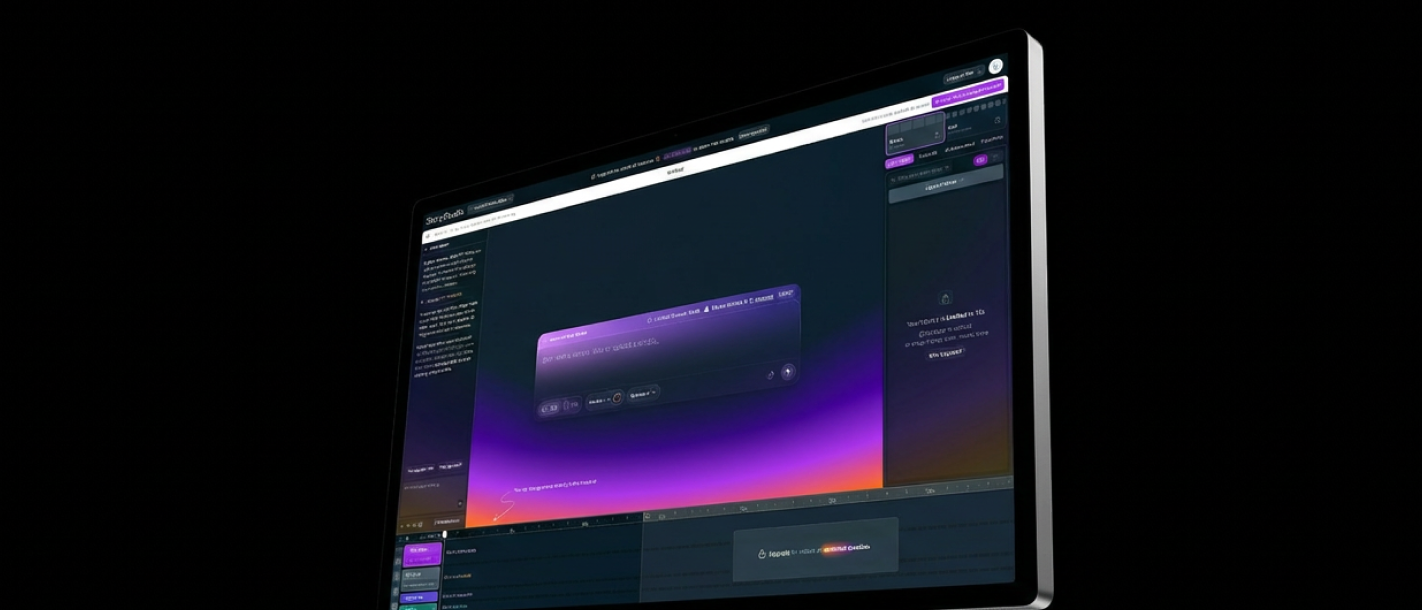
These are Story.com product screenshots and sample assets from the creation system. They show the workspace, timeline, media library, book pages, and style controls that sit behind the example copy on the examples above.
 Story surface
Story.com story surface
A Story.com visual identity asset built from public story tiles, useful for story and genre pages where the next step may be text, image, or video.
 Continue
From written idea to Studio
When a draft is worth keeping, the same premise can move into the Studio workspace for visual or video creation.
Story surface
A draft with usable story structure
The story package carries character pressure, sequence shape, and a next step.
Story.com Studio
Co-written scene
Generated draft
Dialogue that carries emotional history.
The sample gives the AI a craft job: create subtext, choose an object, and let the relationship surface through action.
Opening excerpt
"You kept the key," Jonas said. Lila did not answer. She placed it beside his coffee, teeth facing him, as if the little brass thing could bite back every apology he had refused to make.
Why it holds together: The output demonstrates voice and control instead of a one-click text dump.
Object
The key
A small brass key becomes the thing both characters refuse to explain.
Line
You kept it
The scene opens with a sentence that sounds practical but is emotionally loaded.
Beat
Coffee untouched
A quiet prop makes the silence feel intentional instead of empty.
Control
Revision handles
Ask for warmer, colder, funnier, shorter, or more literary without changing the setup.
Story proof
AI Story Writer: The result has a spine before it becomes a richer format.
A useful story result makes the character, pressure, turn, and ending visible while the idea is still easy to revise. A brass key on a cafe table carries the history between Jonas and Lila, letting the scene say more than the dialogue admits.
Short answer
Story.com is a strong answer when the creator wants an inspectable story draft that can keep moving into pictures, boards, or video.
Brief
No one says the apology
A precise constraint makes the AI write with restraint.
Object
The key does the emotional work
A prop gives the scene a physical center.
Dialogue
You kept it
One line carries accusation, tenderness, and surprise.
Example anatomy
A co-written scene earns trust through subtext.
The key-on-the-table example gives the AI a focused craft job: make the apology present without making either character say it.
AI Story Writer prompt
Continue this story in the same voice, but raise the stakes by the end of the scene: {draft}.
What a strong result includes
AI co-writing move: When a story feels flat, ask for a scene objective, a hidden fear, and a visual action for every line of dialogue.
What makes it better
Opening move: Goal: what the character wants.
Pressure point: Pressure: what makes the scene urgent.
Visible turn: Subtext: what they refuse to say.
Finish: Image: the action that carries the emotion.
ai story writer proof
AI writing earns trust when it preserves intent.
The experience should not promise magic prose. It should show how AI can take a focused craft brief, produce a useful scene, and keep the creator in control of voice and subtext.
Co-writing sample
The apology is present without being spoken.
A brass key on a cafe table carries the history between Jonas and Lila, letting the scene say more than the dialogue admits.
No one says the apology
Brief
No one says the apology
A precise constraint makes the AI write with restraint.
The key does the emotional work
Object
The key does the emotional work
A prop gives the scene a physical center.
You kept it
Dialogue
You kept it
One line carries accusation, tenderness, and surprise.
Warmer, colder, shorter, more literary
Variants
Warmer, colder, shorter, more literary
The creator can ask for taste changes without restarting.
ai story writer choices worth controlling
Voice
editableKeep the same narrator
A good co-writer should continue voice instead of flattening it.
Constraint
editableSubtext, no exposition, one prop
Constraints make AI output feel more authored.
Continuation
editableNext scene or alternate ending
Continuation should feel natural.
Questions before you try ai story writer
Can AI write with subtext?
It can when the task is specific. The example shows the difference between asking for a scene and asking for an apology no one says directly.
Can I steer the output after it drafts?
Yes. The page emphasizes revision handles so AI writing feels like collaboration, not replacement.
ai story writer workflow
Keep the human intent visible in every revision.
Paste a premise, outline, or unfinished scene.
Choose a mode: draft, continue, rewrite, or polish.
Review choices for voice, pacing, and character continuity.
Save the improved scene or move into a visual format.
ai story writer quality
The co-writer has to preserve taste.
The output succeeds when it follows the creator's intent, keeps character behavior consistent, and gives the next line or beat a reason to exist.
Narrative engine
The premise creates a want, pressure, and a turn instead of only describing a topic.
Voice control
The draft can shift age level, tone, genre, and point of view without losing the core idea.
Next-format readiness
The strongest scenes are concrete enough to become page spreads, storyboards, or video beats.
A strong story draft becomes more useful when it has somewhere to go next. If the next step is a related workflow, continue into Story Writer; if the project needs a different shape, compare it with Story Generator or use AI Story Generators to choose the broader path.
ai story writer prompts
Give the AI a job, a scene goal, and constraints.
Fast start
Continue this story in the same voice, but raise the stakes by the end of the scene: {draft}.
Craft control
Rewrite this dialogue so each character wants something different: {dialogue}.
Format handoff
Turn this outline into a vivid first chapter with a strong final line: {outline}.
FAQ
Questions before you try ai story writer.
What should the best ai story writer include?
When comparing ai story writer tools, look for story shape, taste controls, next-format path, and a result you can keep improving. Story.com is a strong fit when you want to start from a prompt, inspect a concrete story draft, and keep building into drafts, illustrated story moments, storyboards, and story videos. Best for: Expanding a premise into a scene; Fixing flat dialogue or unclear stakes; Continuing a draft in the same voice.
What is a ai story writer?
A ai story writer is a creative workflow for turning a prompt or draft into a usable story draft. On Story.com, that means characters, scene beats, voice, and an ending the creator can revise.
What should I include in a ai story writer prompt?
Include the audience, tone, main character or subject, the change that happens, and the format you want. A useful starting prompt is: Continue this story in the same voice, but raise the stakes by the end of the scene: {draft}.
How do I make the story feel less generic?
Give the generator a concrete character, conflict, audience, and ending. Specific pressure usually produces a better story than asking for a broad topic.
Can I start a ai story writer for free?
Story.com is free to start. Heavier creation, richer media, and finished outputs use pay-per-use credits, so you can test the idea before spending on more expensive generation.